Do Solar Panels Work on Cloudy or Snowy Days?
Yes — output drops but does not stop. A hybrid inverter plus battery storage covers the gaps, which is why PV and storage are paired in cloudy regions.
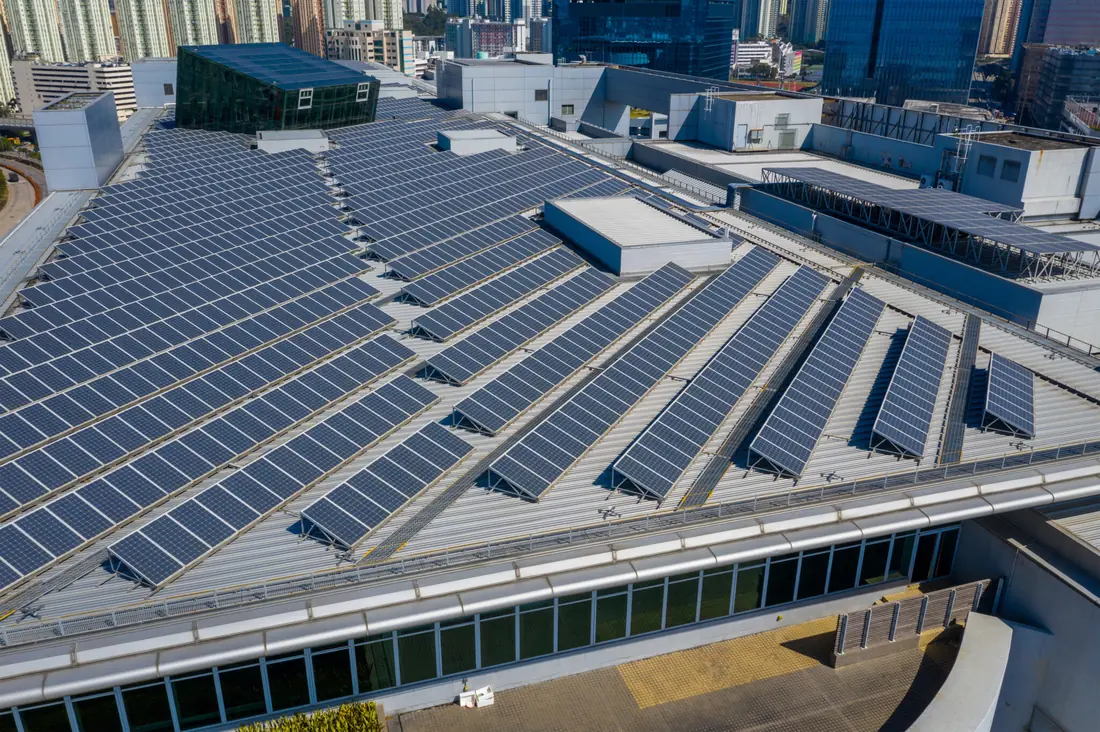
A solar + storage system pays for itself in three ways: using your own solar power instead of buying from the grid, discharging the battery when grid power is most expensive, and avoiding the cost of downtime when the grid fails. The fastest payback usually comes from sites with high daytime tariffs and a steady daytime load.
Multiply the local tariff by the annual sun hours and the share of load the system covers. A 10 kW rooftop system with a 10–15 kWh battery typically covers most of a household’s daytime and evening load; a 215 kWh cabinet does the same for a small factory. The exact figure depends on the tariff, the load profile and the system size — SunFiD works it out from the electricity bill before quoting.